Beyond Ontologies and Semantics in Banking: Why AI Needs Real-World Context
Discover why Real-World Context helps a bank's AI systems use data to enhance decision-making.
Beyond Ontologies and Semantics in Banking: Why AI Needs Real-World Context
Discover why Real-World Context helps a bank's AI systems use data to enhance decision-making.



Key takeaways
 Ontologies define vocabulary, and semantic layers map meaning, but only Real-World Context, built through Entity Resolution and Knowledge Graphs, resolves fragmented records into a single connected view of an entity.
- Without Real-World Context, agents miss that three records (e.g., "Tom Smith," "Thomas Smith," and "Tom Smyth") are the same customer, hiding risk exposure, wealth tiers, and cross-sell opportunities worth millions.
- Real-World Context delivers real results: KYC costs down 60%, investigations concluded 80% faster, and agent response quality up by as much as 40%.
Enterprise AI is creating a new requirement for data. For years, banks have invested in cloud platforms, lakehouses, warehouses, APIs, catalogs, and governance to make enterprise information more accessible. Those investments are the scalable foundation that modern analytics and AI depend on, but are they enough?
An agent reviewing a customer, supplier, transaction or company needs to understand more than the records it has access to. It needs to know who or what those records represent, how that entity connects to the world around it, what those relationships mean, and which of them matter to the decision at hand.
Relationship managers, analysts, and investigators build this understanding naturally. They combine identity, relationships, business knowledge, policy, and experience into a mental model of the situation in front of them. For agents, that understanding must be made explicit, trusted, and available at scale.
This is what’s driving the emergence of the context layer: a combination of technologies and capabilities that turns enterprise data into information that both humans and machines can understand and act on.
Five things people mean by “context”
Context has become one of the most widely used terms in enterprise AI, often representing four distinct meanings depending on the conversation.
Prompt context is the instructions and examples given to a model. Useful, but small.
Window context is the amount of text the model can hold in working memory at once, which lets it carry on a conversation. Useful, but mechanical.
Record context is the information a business application stores for a record, which an AI can fetch when needed. Useful, and often thin at exactly the moment a decision gets complex.
Semantic context is meaning-based similarity across data. Useful for finding related content, but not for establishing real-world identity or relationships.
Real-World Context is an accurate, connected understanding of who and what enterprise data represents, how those entities relate, and what those relationships mean for a decision.
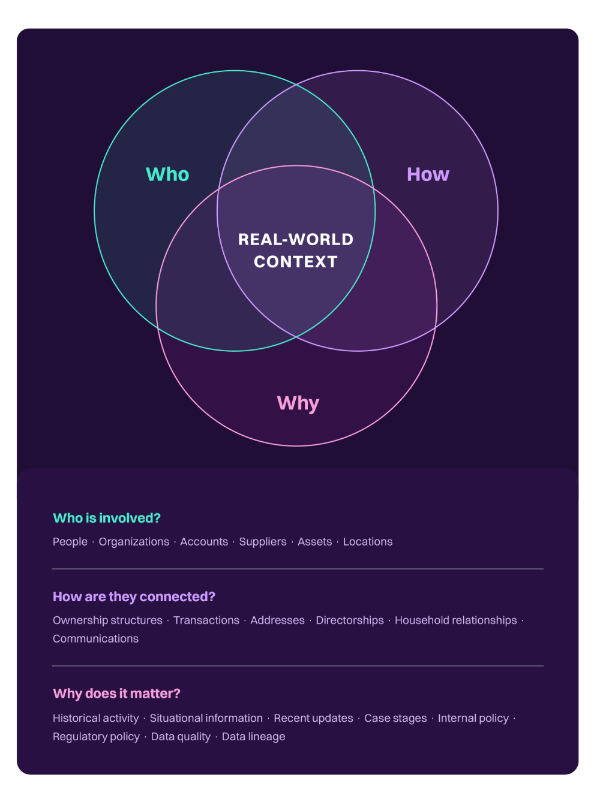
Fig 1:The who, how, and why of Real-World Context
Three questions the context layer needs to answer
Most conversations about the context layer converge on two capabilities: ontologies and semantic layers. Both are necessary, but neither, on its own, is enough.
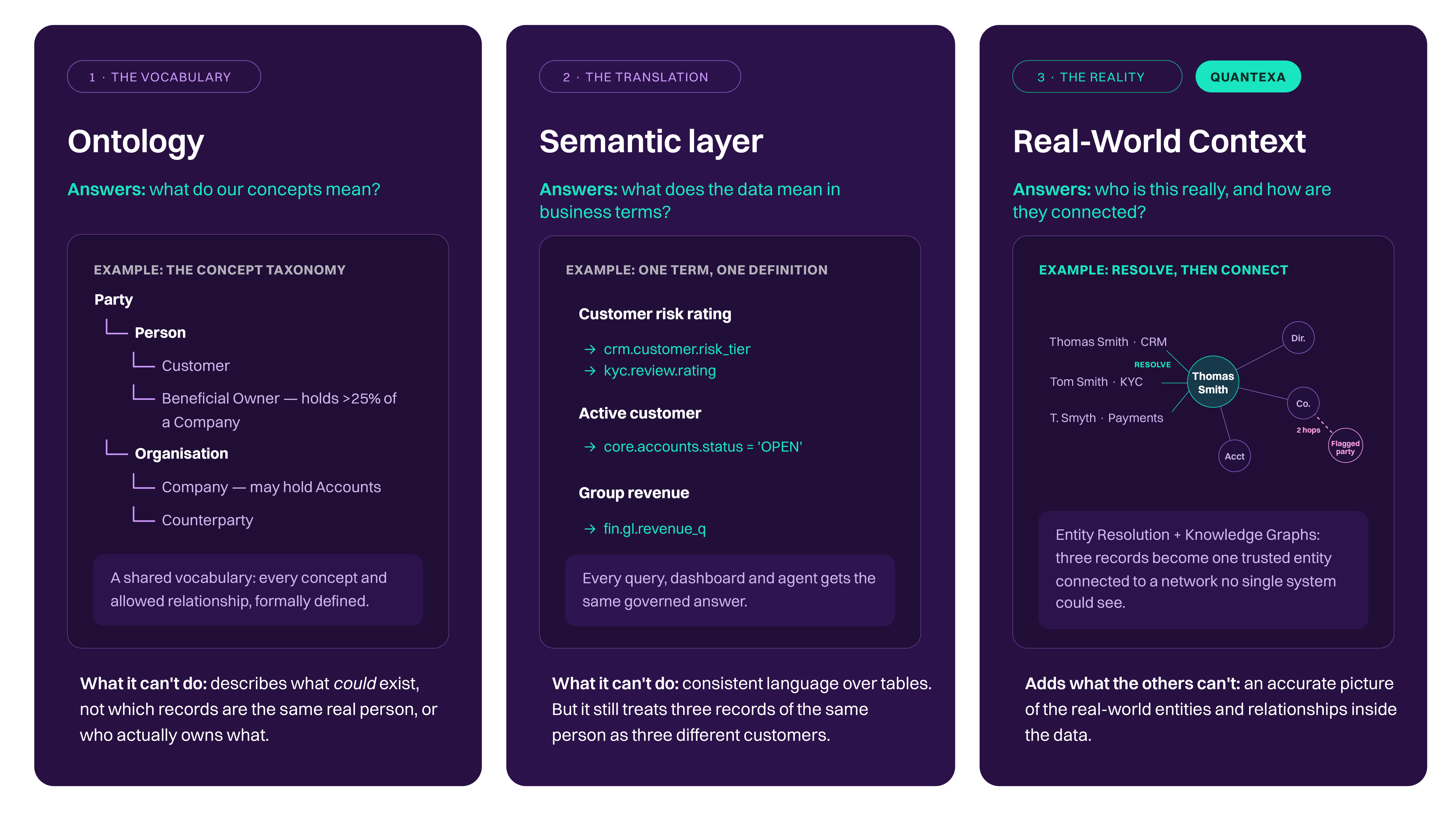
Fig 2. Ontologies, semantics, and Real-World Context
There are three questions that the context layer needs to answer:
What do our business concepts represent?
An ontology provides the shared vocabulary: Party, Person, Customer, Organization, Company, Counterparty, and a Beneficial Owner defined as holding more than 25% of a Company. But what it cannot do is tell you which records are the same real person, or who owns what.What does the data mean in business terms?
A semantic layer establishes that “customer risk rating” maps to crm.customer.risk_tier and kyc.review.rating, or that “active customer” means core.accounts.status = 'OPEN'. But consistent language over fragmented data does not remove fragmentation. If the same person exists as three different records, the semantic layer can describe those records consistently while they still appear to be three different customers.Who or what does the data represent, how is it connected, and why does that matter?
This is where Entity Resolution and Knowledge Graphs come in. The three certainly build on each other. The ontology gives you the vocabulary, and the semantic layer gives you the translation, but Real-World Context gives you the accurate representation of the entities and relationships behind the data.
Real-World Context in action: The same question, the same data, with different outcomes
Imagine an agent is asked to assess a customer called Tom Smith. With an ontology and an understanding of the semantics, the agent is, on paper, well-equipped to answer. It knows what a customer is, what a customer tier means, and where the data is stored.
The CRM knows him only as “Thomas Smith”, so nothing comes back and his gold tier stays invisible.
The online banking system returns the one genuine match: a single current account with no tier and no relationships attached.
Private banking records have him as “Tom Smyth.”
The corporate registry lists “Thomas James Smith,” so his Tier status and his directorship never surface either.
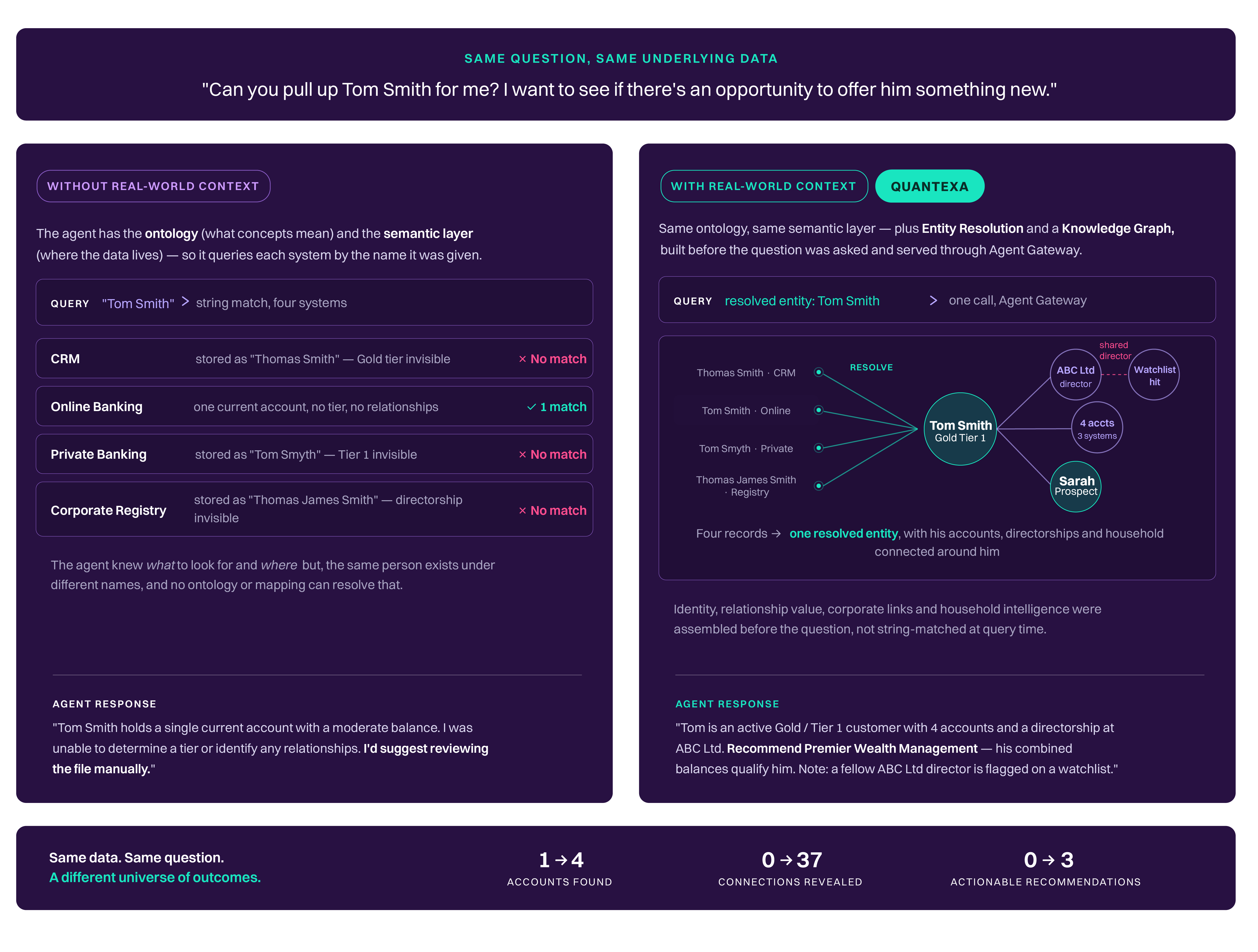
Fig 3. Before and after Real-World Context
Without an understanding that these records represent the same person, the agent only sees a fraction of the big picture, and concludes that:
“Tom Smith holds a single current account with a moderate balance. I was unable to determine a tier or identify any relationships. I’d suggest reviewing the file manually.”
Nothing has failed technically here. The model understood the question. The agent knew what to look for and where. However, the same person exists under four different names, and no ontology or mapping can resolve that. The problem was the representation of reality that the agent had.
Now, if we run the same question against the same underlying data, after Entity Resolution and a Knowledge Graph have established the Real-World Context, the answer is far more useful:
“Tom is a Gold / Tier 1 customer with 4 accounts and a 37-connection network. Recommend Premier Wealth Management, a business banking review for ABC Ltd, and to leverage Sarah Williams as a household prospect. A second-degree risk was also noted for compliance.”
At enterprise scale, this fragmentation stops being a data-quality problem and becomes a business problem. In Financial Crime, missed connections can mean undetected risk, regulatory exposure and costly fines; in Customer Intelligence, the same gaps can hide valuable households, corporate relationships, and cross-sell opportunities worth millions.
The emerging AI-ready stack
At the foundation sit the systems of record and data platforms that store, manage and govern enterprise information. Above them, the context layer adds the business meaning, identity, relationships, derived intelligence, and operating knowledge required to make that information usable in decisions. At the top sit the applications, analytics, people and increasingly agents that consume that context and turn it into action.
At Quantexa, we contribute a specific and critical capability to this architecture by turning fragmented enterprise data into a trusted representation of the real world behind it.
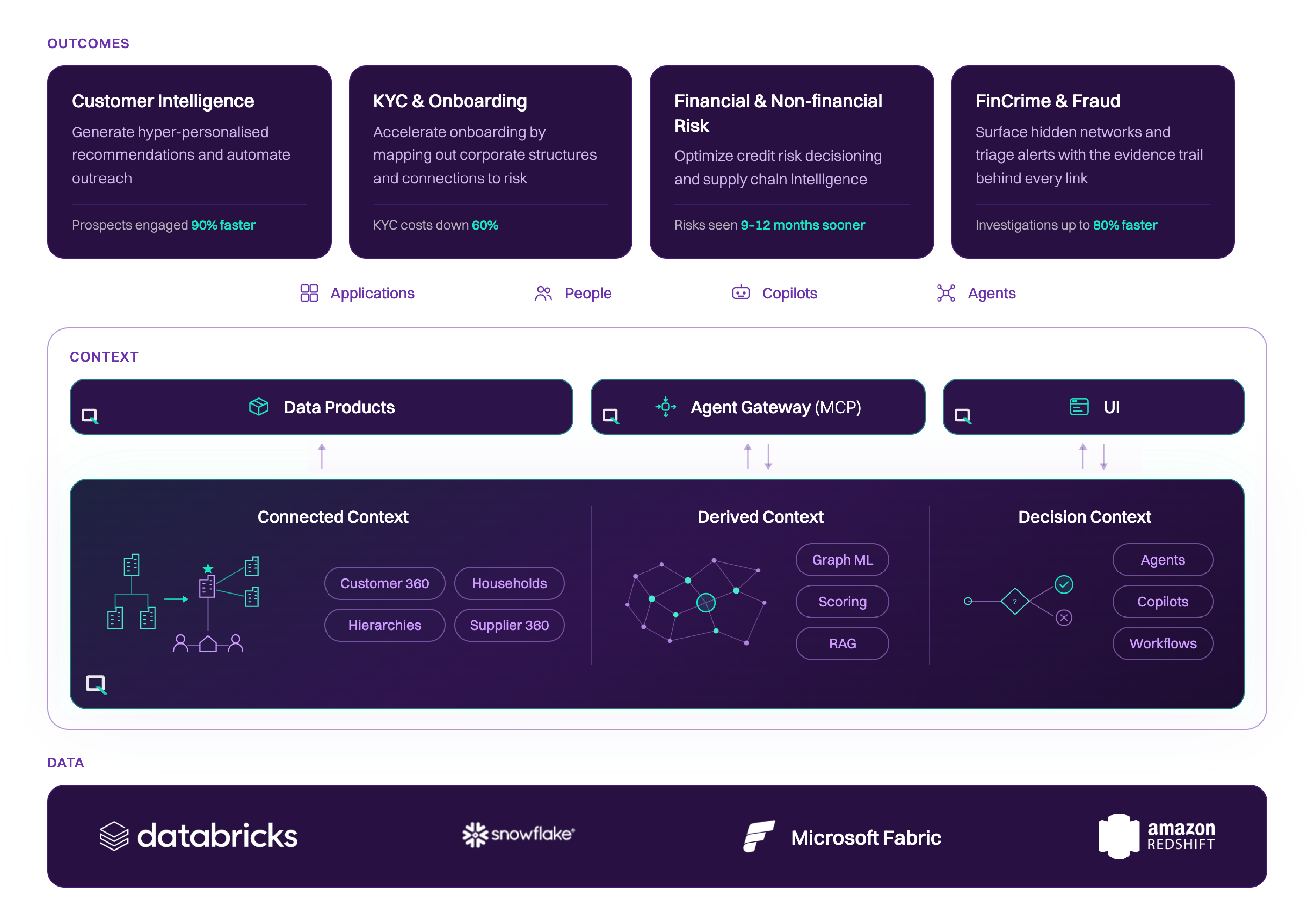
Fig 4. Building blocks of an AI-ready stack
The raw material already exists across enterprise data platforms such as Databricks and Snowflake, CRM and core banking systems, unstructured sources such as email and documents and external sources including corporate registries, credit bureaus and market data. Increasingly, access is not the primary constraint. The challenge is turning that data into the context required for decisions, a gap that becomes more important as agentic AI proliferates.
How we help
We bridge that gap by resolving fragmented records into trusted entities and connecting them through Knowledge Graphs, creating Real-World Context.
Building connected context
Entity Resolution evaluates evidence across sources, including names, addresses, identifiers, dates and transactional behavior, to establish which records represent the same person, company or asset. Knowledge Graphs then connect those resolved entities through ownership, directorships, households, transactions, and corporate hierarchies.
The result is a set of contextual data products: reusable, governed views of individual and business customers, households and complete legal entity hierarchies, unified across multiple data sources.
Adding context that does not exist in a source system
Once data is connected, analytics can generate entirely new information. Graph Analytics and graph ML surface communities of related entities, indirect paths, shared infrastructure, concentration and network-level risk. Scoring and analytics turn those patterns into signals. Each result is written back into the layer as new information or insight. This context is additive; the CRM, payment system and corporate registry each hold part of the picture, but the new insight emerges only from connecting them.
Learning from decisions
Context also grows through use. Workflows, cases and investigations generate outcomes, and every decision, together with the evidence it was based on, becomes supplementary context for the next one. Alongside the policies and procedures that govern those decisions, this gives an agent the operational memory a seasoned colleague carries. The result is a richer representation of the customer, company or situation being considered.
Serving context to every consumer
Different consumers need context in different ways. Data and analytics teams may consume contextual data products in bulk through warehouses, models and analytics environments, avoiding the need to rebuild entity and relationship logic on a project-by-project basis.
Agents need context dynamically. Through Agent Gateway, agents can retrieve a resolved entity, explore the relevant part of a graph and consume scoring signals or other contextual information during a task, using governed interfaces built around open standards, including MCP. Frontline users may consume the same underlying context directly through applications and interfaces, with access to the graph, relationships and evidence behind the conclusions being presented.
The important point is not the delivery mechanism. It is that the agent, application and frontline employee can all work from the same governed representation of the same real-world customer or entity.
The impact of a context layer
The value of the context layer is realized at the point of decision, improving trust, consistency, efficiency, provenance and reuse, through:
Better decisions and trusted actions
The right data and context arrive together at the moment of decision. An agent recommending a product, assessing an exposure or escalating an alert can act on the resolved entity, the network around it, relevant signals, and the policy governing the decision.
Greater consistency in responses and actions
Governed contextual data products give agents a stable, versioned factual foundation. The same request can return the same entity, relationships and signals each time, improving control over what the agent knows and consistency across executions.
More efficient agents
Without a contextual foundation to call on, agents spend time and tokens querying systems, reconciling records and reconstructing the customer. With contextual data products available through Agent Gateway, they can retrieve the resolved view directly. Fewer calls and more intelligent routing lower token consumption, cost, and latency while keeping more of the context window available for reasoning.
Provenance and explainability
Every action can be traced back to the entity, relationships, signals, policies and source evidence that informed it. That provenance is increasingly important as agents move closer to consequential decisions in regulated environments.
One contextual foundation, many use cases
The same contextual data products can support customer intelligence, onboarding, KYC, credit risk, fraud, compliance and growth. Each new use case starts from existing context, reducing duplicate engineering and accelerating delivery. Context built once pays out repeatedly across the enterprise.
Transformational outcomes
Taken together, this improves the quality and economics of decision-making. We’re already seeing the impact across several of our deployments:
Relationship managers engaging prospects 90% faster
KYC costs reducing by 60%
Customers surfacing credit risks 9–12 months sooner
Investigations actioned and concluded 80% faster
A marked improvement in the quality of agent responses by up to 40%
Decisions improve because the evidence behind them improves, and the actions that follow can be trusted because every agent acted on the same governed picture.
The value of the context layer is realized at the point of decision, improving trust, consistency, efficiency, provenance and reuse
Why this matters more as models get better
Data platforms, catalogs, semantic layers, ontologies, Knowledge Graphs, analytics, and AI platforms will all contribute different forms of context.
The strategic question for enterprises is how effectively they can expose what is unique and proprietary about their organization: their customers, companies, assets, relationships, behaviors, policies, institutional knowledge and previous decisions.
This becomes even more important as powerful models become widely accessible. Banks will increasingly have access to many of the same foundation models, cloud infrastructure and agent frameworks.
Those technologies alone will not create defensible differentiation. What will differentiate one organization’s AI from another’s is how well it understands the real world surrounding that organization: its customers, companies, assets, relationships and behaviors.
Our role in the context layer focuses on a critical part of that challenge: giving the enterprise an accurate, connected and reusable understanding of the real-world entities and relationships hidden within fragmented data.
As models become more capable and widely available, the quality of the context they can call on becomes an increasingly important determinant of the decisions they can make.