Beyond Ontologies and Semantics in Banking: Why AI Needs Real-World Context
Discover why incorporating Real-World Context is crucial for bank's AI systems to effectively use data to enhance decision-making.
Trends, insights, and practical guidance on how trusted data and AI shape decision-making.

Discover why incorporating Real-World Context is crucial for bank's AI systems to effectively use data to enhance decision-making.

Eighteen months of new rules across banking, insurance, government, and trade all point the same way. Liability for authorized fraud is shifting to institutions, and prevention is now the standard they will be measured against.

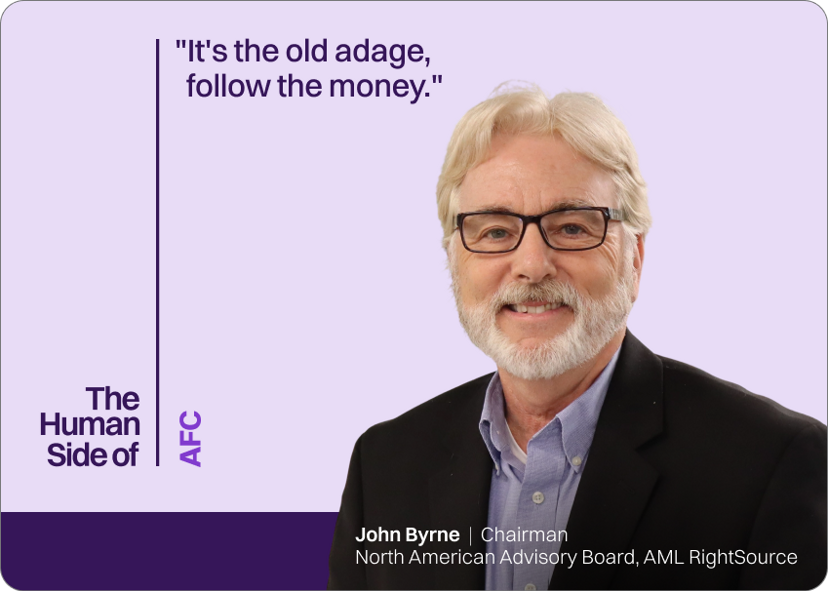
From the first red flags for human trafficking to the safe harbor that changed how banks report suspicious activity, John Byrne built much of the infrastructure AML professionals now take for granted. Four decades on, he's just as candid about what still isn't working.

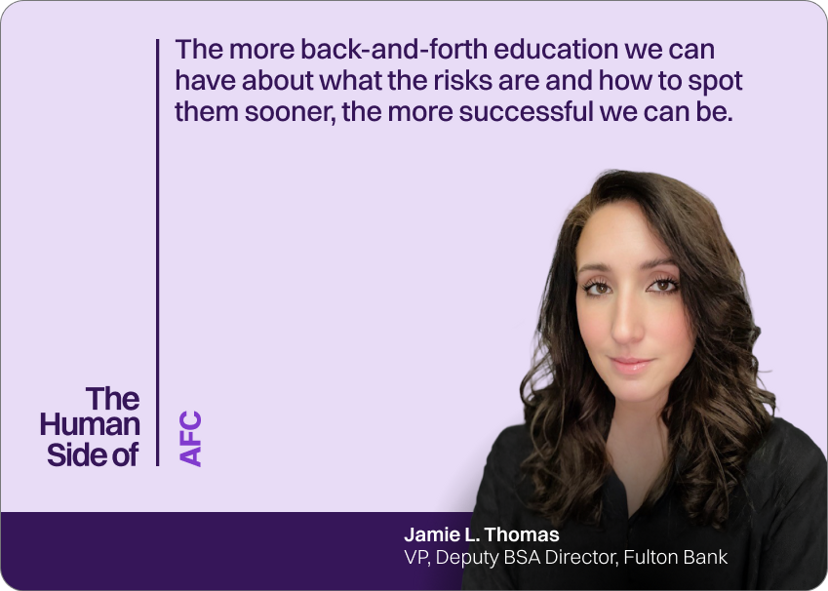
Anti-money laundering compliance can be relentless enough to turn people into robots just clearing the queue. Jamie Thomas of Fulton Bank says empathy and a shared sense of why the work matters build a stronger, more resilient team.

Financial institutions can see the money and law enforcement can see the digital infrastructure behind the crime, but almost never both at once. Closing that gap is now the biggest opportunity in financial crime prevention.

Fraud and money laundering now scale across hundreds of accounts within hours, exploiting the structural divide between what financial institutions see and what law enforcement can act on. AI is reshaping how both sides investigate and creating the shared foundation to finally close the gap.

Overcome fragmented, siloed customer data challenges and reach AI ambitions with our practical blueprint for placing master data at the centre of your bank to support priorities across operations, compliance, and growth.

Fragmented data is banking’s biggest obstacle to delivering trusted AI outcomes. A pragmatic master data approach is the foundation that changes everything.

From breaking down the silos that separate fraud, AML, and cybersecurity teams, to navigating the anxieties that slow AI adoption, La Huis makes the case for a bolder vision.