




Beyond Ontologies and Semantics in Banking: Why AI Needs Real-World Context
Discover why incorporating Real-World Context is crucial for bank's AI systems to effectively use data to enhance decision-making.

Trends, insights, and practical guidance on how trusted data and AI shape decision-making.

Discover why incorporating Real-World Context is crucial for bank's AI systems to effectively use data to enhance decision-making.

Your data is almost certainly biased. What matters is how your AI acts on it. Learn how knowledge graphs help make AI decisions defensible.


Gartner® identifies the absence of a dedicated context layer as a major contributor to the value gap between AI investments and outcomes. Find out what they are and why real-world context is necessary to drive reliable and trusted decisions from AI agents.


Eighteen months of new rules across banking, insurance, government, and trade all point the same way. Liability for authorized fraud is shifting to institutions, and prevention is now the standard they will be measured against.

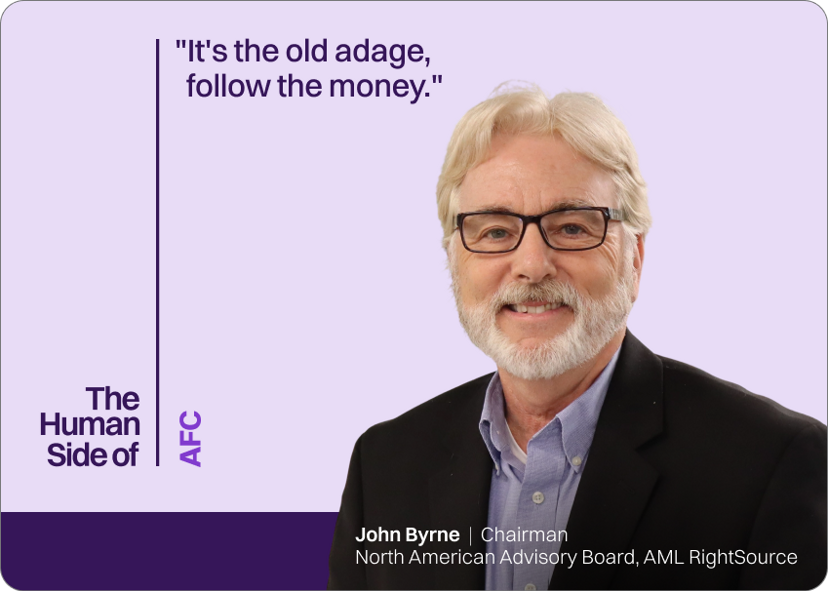
From the first red flags for human trafficking to the safe harbor that changed how banks report suspicious activity, John Byrne built much of the infrastructure AML professionals now take for granted. Four decades on, he's just as candid about what still isn't working.


AI ambition fails without trusted, unified, and governed data. Find out how to build a contextual data foundation that powers confident and explainable AI-driven decisions.
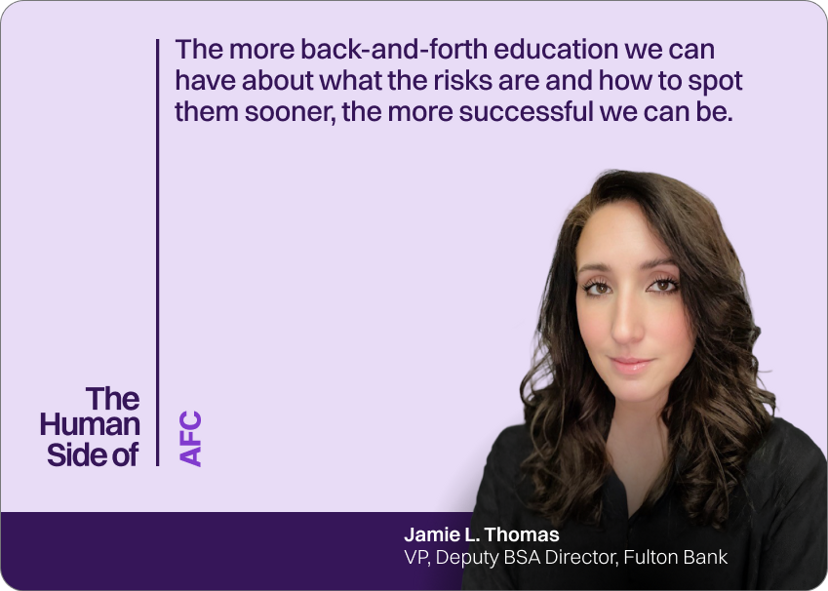
Anti-money laundering compliance can be relentless enough to turn people into robots just clearing the queue. Jamie Thomas of Fulton Bank says empathy and a shared sense of why the work matters build a stronger, more resilient team.
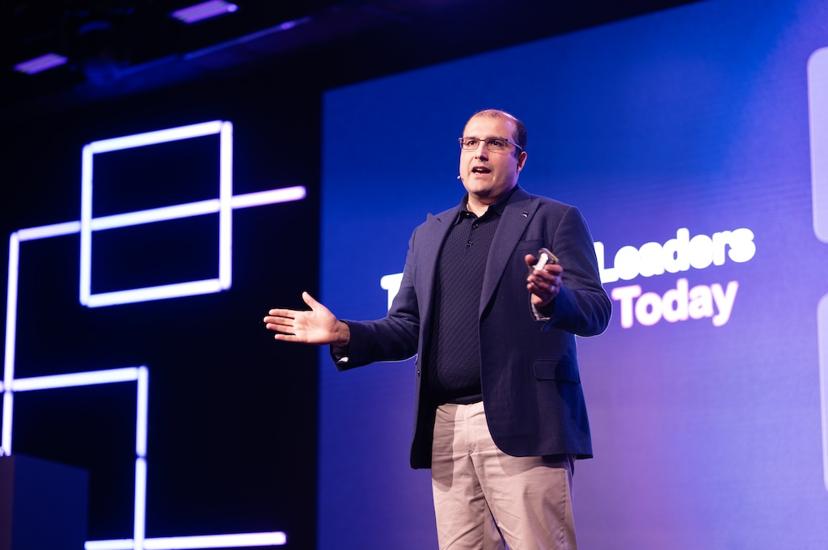
Long before 'context' had a name, we were building the entity resolution and knowledge graph technology that makes AI trustworthy, at the scale the world's most regulated institutions demand.


Financial institutions can see the money and law enforcement can see the digital infrastructure behind the crime, but almost never both at once. Closing that gap is now the biggest opportunity in financial crime prevention.